
How to Choose the Right Organic Fabrics for Your Child
Overview
Choosing the right fabrics for your child's clothing is essential for their comfort and safety. Organic fabrics offer a soft touch and durability while being free from harmful chemicals, making them perfect for sensitive skin. By selecting organic options, you not only prioritize your child's well-being but also contribute to a healthier planet through sustainable practices.
Table of Contents
- Understanding Organic Fabrics
- Benefits of Organic Materials
- Checklist for Certifications
- Why Choose Organic for Kids?
- Skin Sensitivity and Chemical Risks
- Environmental Impact Comparison
- Key Features to Look For
- Softness and Comfort for Active Children
- Durability for Everyday Wear and Tear
- Popular Organic Fabric Types
- Organic Cotton
- Bamboo Fabric
- Linen
- Comparison Table of Organic Fabrics
- Caring for Organic Fabrics
- Washing Instructions
- Drying Tips
- Stain Removal
- Styling Organic Clothing for Kids
- Mixing and Matching
- Fun Outfit Combinations
Key Takeaways
- Organic fabrics are free from harmful chemicals, making them safer for children's sensitive skin.
- Look for certifications like GOTS and OEKO-TEX Standard 100 to ensure quality and safety in organic textiles.
- Organic materials are eco-friendly, supporting sustainable farming practices that benefit the environment.
- Durability is key; organic fabrics often last longer than conventional ones, suitable for active children.
- Care instructions matter; wash in cold water and avoid fabric softeners to maintain the integrity of organic fabrics.
- Mix and match outfits creatively with organic clothing to maintain style while ensuring comfort.
- Consider fabric types like organic cotton, bamboo, and linen for different benefits such as breathability and softness.
When dressing your little ones, selecting the right fabrics is as crucial as choosing the perfect style. Organic fabrics are gaining popularity for children's clothing, and for good reason. They provide comfort and style while ensuring safety for your child's delicate skin and the environment. Let’s explore the world of organic fabrics and discover how to make the best choices for your child’s wardrobe.
Understanding Organic Fabrics
Organic fabrics are made from fibers produced without synthetic pesticides, herbicides, or fertilizers. These materials are often certified by organizations that ensure they meet strict guidelines for organic farming. When shopping for organic fabrics, look for certifications like GOTS (Global Organic Textile Standard) or OEKO-TEX Standard 100, which guarantee that the textiles are free from harmful chemicals and safe for children.
Benefits of Organic Materials
- Gentle on Sensitive Skin: Children's skin can be more sensitive than adults, making it crucial to choose fabrics free from harsh chemicals. Organic fabrics are softer and less likely to irritate, providing a comfy fit for active play.
- Eco-Friendly: By opting for organic materials, you're supporting sustainable farming practices that protect the environment, reduce pollution, and promote biodiversity.
- Durability: Organic fabrics are often more durable than their conventional counterparts, meaning they can withstand the rigors of daily wear and tear—perfect for energetic kids!
Checklist for Certifications
When shopping for organic fabrics, keep this checklist handy to ensure you're making safe and eco-friendly choices:
- Look for GOTS certification for organic cotton.
- Check for OEKO-TEX Standard 100 certification to ensure no harmful substances are present.
- Seek out labels that specify the percentage of organic fibers used.
- Ensure dyes used are AZO-free and environmentally friendly.
Why Choose Organic for Kids?
Choosing organic fabrics for your child's clothing goes beyond comfort and style; it’s about safeguarding their health and the planet. Children are particularly vulnerable to the chemicals often found in conventional fabrics, making it essential to select organic options.
Skin Sensitivity and Chemical Risks
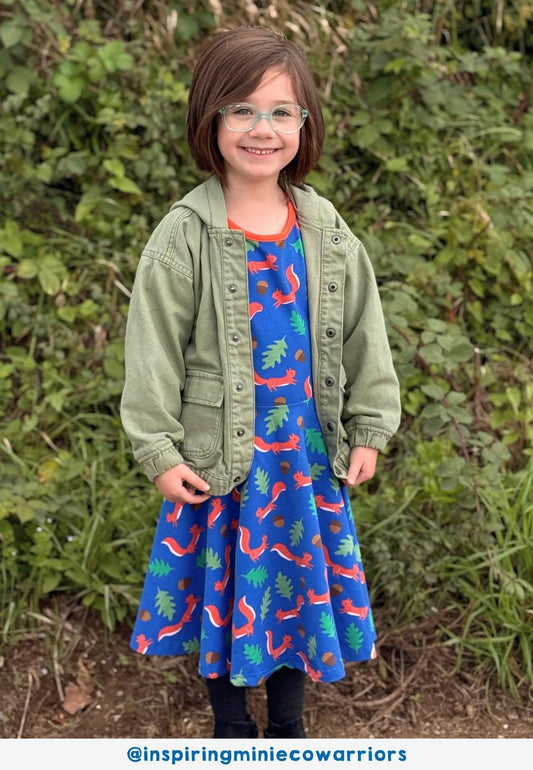
Many conventional fabrics are treated with chemicals that can cause skin irritation or allergic reactions in children. Organic fabrics, such as those used in the delightful Organic Squirrel Print Dress, are made from natural fibers that are gentle on the skin, reducing the risk of discomfort during wear.
Environmental Impact Comparison
Choosing organic also contributes to a healthier planet. Here’s a simple comparison of organic vs. conventional fabrics:
| Aspect | Organic Fabrics | Conventional Fabrics |
|---|---|---|
| Production Chemicals | Free from synthetic pesticides and fertilizers | Often treated with harmful chemicals |
| Environmental Impact | Supports sustainable farming practices | Can contribute to soil and water pollution |
| Health Risks | Lower risk of skin irritations | Higher risk of allergic reactions |
By choosing organic, you’re not just investing in your child's wardrobe; you're also making a choice that benefits the environment. It’s a win-win situation!
Key Features to Look For
When selecting organic fabrics for your child's clothing, softness and durability are key. Children are active little explorers, and their clothes need to keep up with their adventures while ensuring comfort. Here are the essential features to consider:
Softness and Comfort for Active Children
The first thing to assess is how soft the fabric feels against your child's skin. Organic fabrics are generally made from natural fibers, which tend to be softer than their conventional counterparts. Look for the following:
- Touch Test: Always feel the fabric before buying. It should be smooth and gentle to the touch.
- Breathability: Fabrics like organic cotton are breathable, which helps to keep your child comfortable throughout the day.
- Stretchability: Fabrics blended with elastane, like the Organic Squirrel Print Dress, offer flexibility, allowing for easy movement during playtime.
Durability for Everyday Wear and Tear
Kids are notorious for getting their clothes dirty and putting them through the wringer. Therefore, durability is non-negotiable. Here’s how to evaluate the longevity of organic fabrics:
- Fabric Weight: Heavier fabrics often indicate better durability. Lightweight fabrics may not hold up as well after repeated washes.
- Stitch Quality: Check the stitching—double-stitched seams are a good sign of a well-made garment.
- Wash Resistance: Look for fabrics that can withstand multiple washes without fading or losing shape.
To make a well-informed decision, consider the following rule of thumb: if a fabric feels soft and has a substantial weight without being too heavy, it’s likely a good choice for your little one’s wardrobe.
Popular Organic Fabric Types
Now that you know what features to look for, let’s dive into some of the most popular organic fabric types suitable for children's clothing. Each fabric has its unique benefits and drawbacks, making them suitable for different uses.
Organic Cotton
Organic cotton is a classic choice for children's clothing. It is grown without synthetic pesticides or fertilizers, making it a safe option for your child's sensitive skin.
- Pros: Soft, breathable, and hypoallergenic. Easy to wash and care for.
- Cons: Can wrinkle easily and may not be as durable as some blends.
Bamboo Fabric
Bamboo fabric is another excellent option. It is naturally antibacterial and moisture-wicking, perfect for active kids.
- Pros: Soft, breathable, and eco-friendly. Good for sensitive skin.
- Cons: Can be more expensive and may require special care when washing.
Linen
Linen is a lightweight and breathable fabric, making it ideal for warmer weather. While not as common for children's clothing, it has its merits.
- Pros: Highly breathable and durable. Gets softer with each wash.
- Cons: Can be stiff initially and wrinkles easily.
Comparison Table of Organic Fabrics
| Fabric Type | Softness | Durability | Breathability |
|---|---|---|---|
| Organic Cotton | High | Moderate | High |
| Bamboo | Very High | Moderate | Very High |
| Linen | Moderate | High | Very High |
Choosing the right fabric can significantly impact your child's comfort and style. By understanding the characteristics of these organic fabrics, you'll be better equipped to make choices that align with your values and your child's needs.
Caring for Organic Fabrics
Caring for organic fabrics is essential to maintain their quality and longevity. By following a few simple guidelines, you can ensure that your child’s favorite clothes, like the charming Organic Squirrel Print Dress, remain soft, vibrant, and safe for your little one’s skin. Here’s a step-by-step guide to help you care for organic clothing:
Washing Instructions
- Wash in Cold Water: Always use cold water (30 degrees Celsius) to prevent shrinking and fading. This is especially important for organic cotton, which can be sensitive to heat.
- Gentle Cycle: Opt for a gentle cycle on your washing machine to minimize wear and tear on the fabric.
- Use Eco-Friendly Detergents: Choose detergents that are free from harsh chemicals, fragrances, and dyes. Look for those labeled as safe for sensitive skin. Avoiding harmful detergents helps preserve the integrity of organic fabrics.
- Skip the Fabric Softener: Fabric softeners can contain synthetic chemicals that may compromise the organic nature of the fabric. Instead, try adding a cup of white vinegar to the rinse cycle for a natural alternative.
Drying Tips
- Air Dry: Whenever possible, hang organic clothing to air dry. This method is gentler on fabrics and helps prevent shrinkage.
- Avoid Direct Sunlight: While drying outside is great, direct sunlight can fade colors. Opt for a shaded area to maintain vibrancy.
- Low Heat in the Dryer: If you must use a dryer, select a low heat setting to minimize damage. Remove clothes while slightly damp to reduce creasing.
Stain Removal
For those inevitable spills and stains, treat them promptly:
- Blot, Don’t Rub: Gently blot the stain with a clean cloth to absorb excess liquid without pushing it deeper into the fibers.
- Use Natural Stain Removers: Consider using natural stain removers like baking soda or lemon juice. Test on a small area first to ensure it won’t discolor the fabric.
Styling Organic Clothing for Kids
Now that you know how to care for organic fabrics, let’s talk about styling! Dressing your child in organic clothing doesn’t mean sacrificing style for comfort. In fact, you can create fun and fashionable outfits that reflect their personality while keeping them cozy and safe. Here are some playful ideas to inspire you:
Mixing and Matching
One of the joys of dressing kids is the opportunity to mix and match different pieces. Here’s how to do it effectively:
- Layering: Pair an organic long-sleeved shirt under a vibrant organic dress, like the Organic Squirrel Print Dress, for a stylish layered look that’s perfect for cooler weather.
- Color Coordination: Use complementary colors to create a cohesive outfit. For example, match the blue of the dress with a soft yellow organic kids hat for a cheerful ensemble.
- Accessorize: Don’t forget to add accessories! Organic kids hats not only keep your child protected from the sun but can also add a pop of color and style. Choose hats that coordinate with the outfit for a polished look.
Fun Outfit Combinations
Here are a few outfit combinations to get you started:
| Outfit | Description |
|---|---|
| Playful Layers | Organic long-sleeved tee under the Organic Squirrel Print Dress, paired with leggings and a cozy cardigan. |
| Casual Chic | Organic denim jacket over an organic cotton dress with a matching organic kids hat. |
| Weekend Adventure | Mix and match an organic hoodie with the Organic Squirrel Print Dress and some comfy organic leggings for fun-filled days. |
By embracing organic fabrics and stylish combinations, you’re not only dressing your child in comfort but also supporting a healthier planet. With the right care and creativity, organic clothing can be a delightful addition to your child’s wardrobe, ensuring they look good and feel great!
Frequently Asked Questions
1. What are organic fabrics made from?
2. Why should I choose organic clothing for my child?
3. What certifications should I look for when buying organic fabrics?
4. How do I care for organic fabrics?
5. What are the benefits of using organic cotton for children's clothing?
Glossary
| Term | Meaning |
|---|---|
| Organic Fabrics | Fabrics made from fibers produced without synthetic chemicals. |
| GOTS | Global Organic Textile Standard; certifies organic textiles. |
| OEKO-TEX | Certification ensuring textiles are free from harmful substances. |
| Eco-Friendly | Products that are sustainable and have minimal environmental impact. |
| Durability | The ability of a fabric to withstand wear and tear. |
| Bamboo Fabric | A soft, breathable fabric made from bamboo fibers, often antibacterial. |
| Organic Cotton | Cotton grown without synthetic pesticides, safe for sensitive skin. |
| Breathability | The capacity of a fabric to allow air circulation, enhancing comfort. |
| AZO-free | Dyes that do not contain harmful azo compounds, safer for skin. |
| Touch Test | Feeling the fabric to assess its softness and comfort before purchase. |
Linked Product

Organic Squirrel Print Long-Sleeved Skater Dress
The Organic Squirrel Print Long-Sleeved Skater Dress features a playful design with delightful squirrels and vibrant colors, making it a charming addition to your child's wardrobe. Crafted from 95% GOTS-certified organic cotton, this dress is soft and comfortable, perfect for cooler days and active play. With sizes ranging from 18-24 months to 7-8 years, it’s also great for coordinating with sibling outfits.
View Product